Bath Demolition in Bergen County, NJ
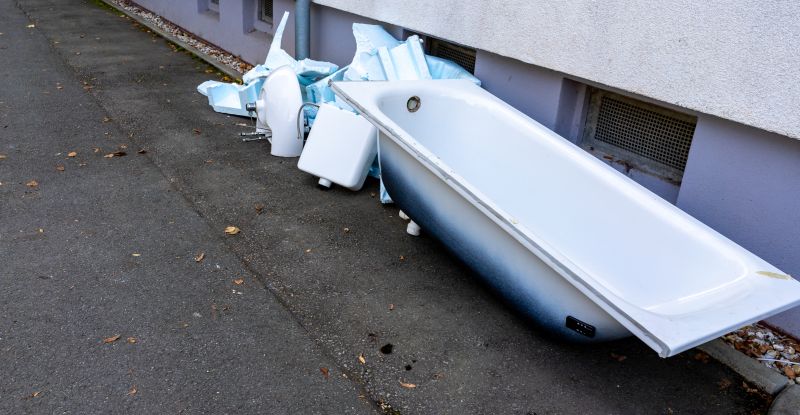
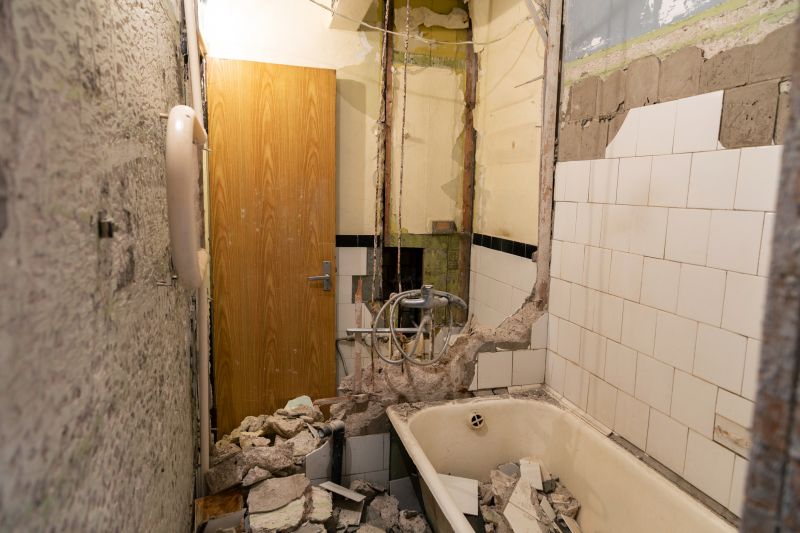
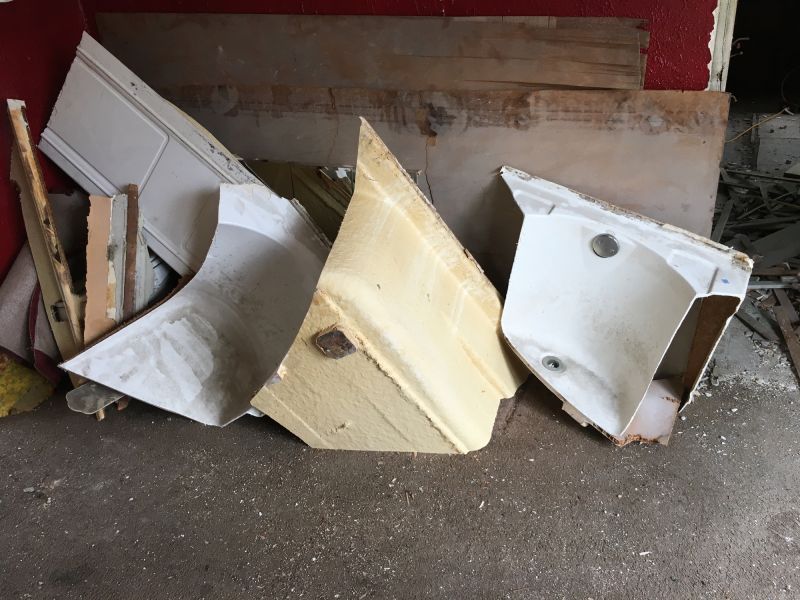
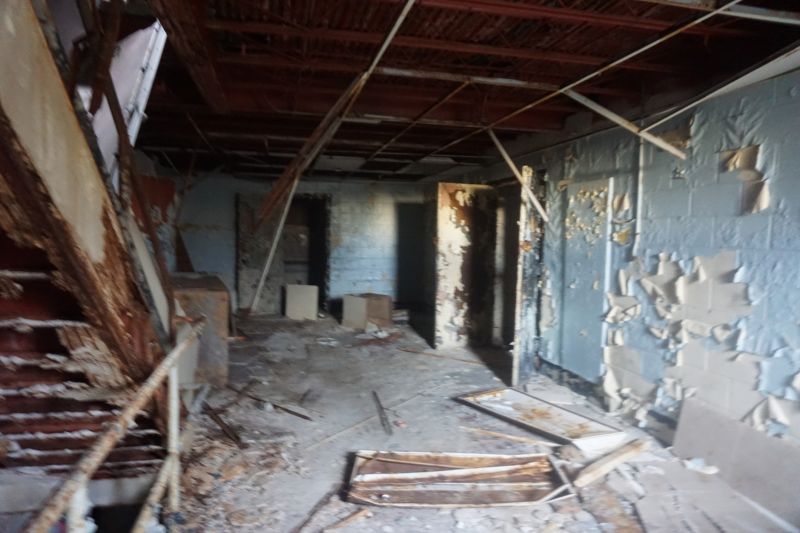
Bath demolition services involve carefully removing existing bathroom structures, fixtures, and surrounding materials to prepare for renovations, upgrades, or complete remodels. These projects typically include tearing out old bathtubs, shower enclosures, vanities, tiles, and associated plumbing or electrical components. Property owners often seek this service to create a clean slate for modern designs, improve functionality, or address damage caused by leaks or mold, ensuring the space is properly cleared before new installations begin.
Homeowners considering bath demolition should understand the scope of work involved, including the removal process and potential impact on plumbing and electrical systems. It’s important to evaluate the project’s size, whether it’s a partial removal or a full teardown, and to consider any necessary permits or structural considerations. Proper planning ensures the demolition aligns with renovation goals and that the property remains safe and ready for subsequent updates.
Many property owners in Bergen County, NJ look into Bath Demolition for repairs, replacements, upgrades, and appearance-related improvements.
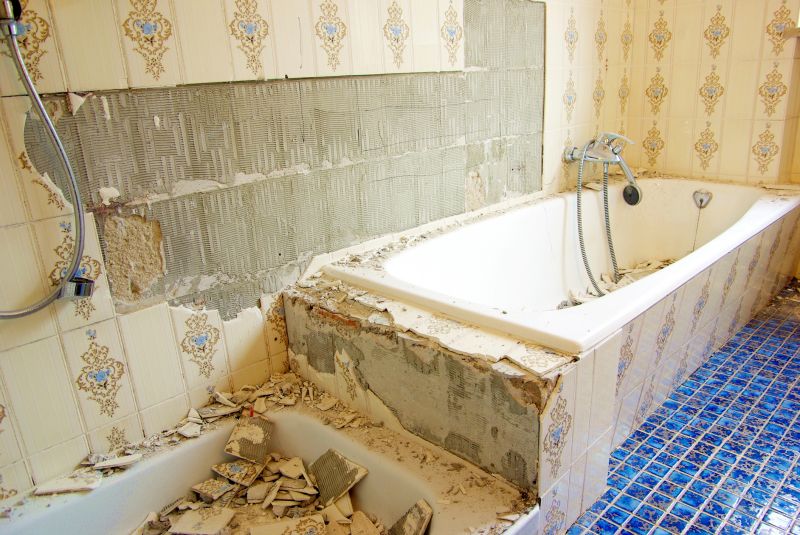
Residential Demolition
Removing outdated structures to make way for new home improvements in bergen county.
Commercial Demolition
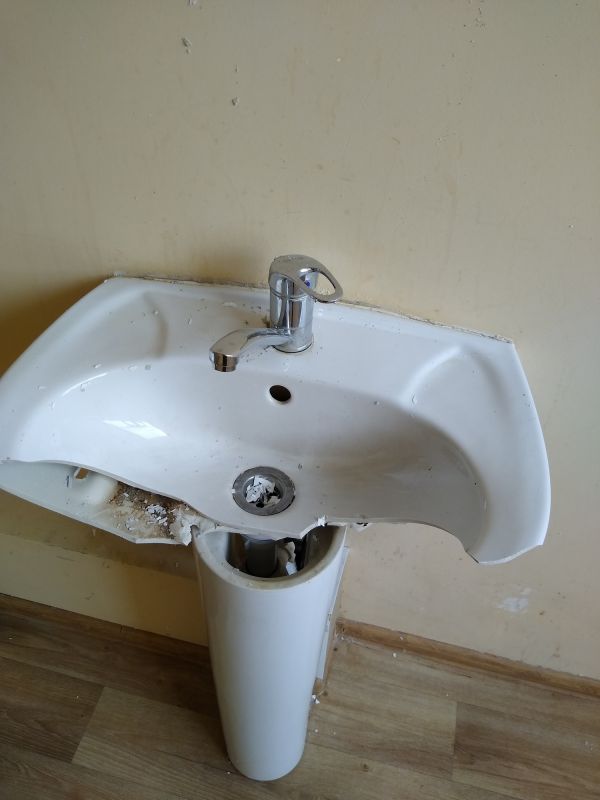
Tearing down commercial buildings to support redevelopment and expansion projects nearby.
Selective Demolition
Carefully dismantling specific parts of a property to preserve existing features or maximize space.
Bath Demolition in Bergen County, NJ
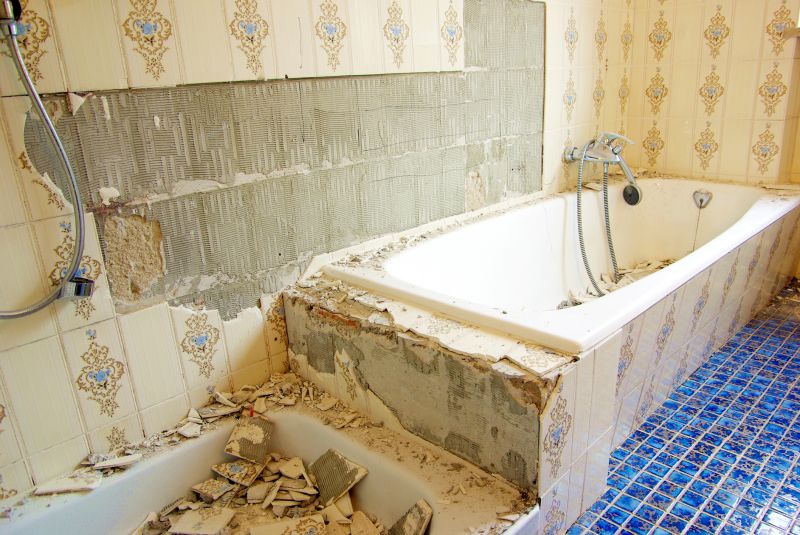
Bath demolition services involve carefully removing existing bathroom structures, fixtures, and surrounding materials to prepare for renovations, upgrades, or complete remodels. These projects typically include tearing out old bathtubs, shower enclosures, vanities, tiles, and associated plumbing or electrical components. Property owners often seek this service to create a clean slate for modern designs, improve functionality, or address damage caused by leaks or mold, ensuring the space is properly cleared before new installations begin.
Homeowners considering bath demolition should understand the scope of work involved, including the removal process and potential impact on plumbing and electrical systems. It’s important to evaluate the project’s size, whether it’s a partial removal or a full teardown, and to consider any necessary permits or structural considerations. Proper planning ensures the demolition aligns with renovation goals and that the property remains safe and ready for subsequent updates.
Many property owners in Bergen County, NJ look into Bath Demolition for repairs, replacements, upgrades, and appearance-related improvements.
Common Bath Demolition Jobs
Bathroom demolition - involves removing outdated fixtures, tiles, and structures to prepare for renovation.
Kitchen demolition - includes tearing out cabinets, countertops, and appliances for remodeling projects.
Wall removal - safely takes down interior or exterior walls to open up living spaces.
Garage demolition - clears old or damaged garages to create space for new construction or landscaping.
Foundation demolition - dismantles existing foundations to make way for new builds or repairs.
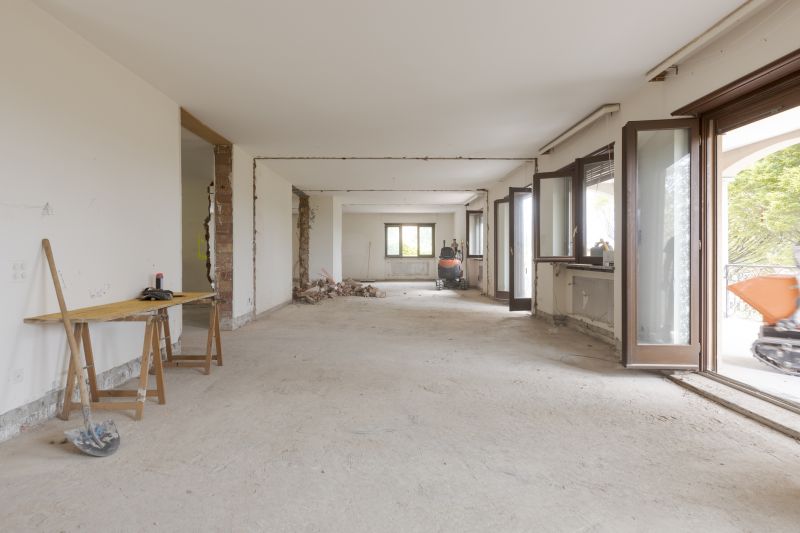
Partial demolition - removes specific sections of a property for remodeling or renovation purposes.
Bath Demolition Questions
What types of structures can be demolished? Demolition services cover residential buildings, garages, sheds, and other small to medium structures on property.
Is a permit required for demolition work? Yes, permits are typically needed and are obtained through local authorities before starting demolition projects.
What should property owners do before demolition? It is important to disconnect utilities, clear the area, and remove valuable items prior to demolition.
What happens to debris after demolition? Debris is usually cleared from the site and disposed of according to local regulations and waste management guidelines.
Request Bath Demolition in Bergen County, NJ
Use the quote form on this page to share the basics of your project and request more information for the type of work you need.